Ayahuasca
Ayahuasca is a traditional Amazonian plant medicine used for millennia by Indigenous peoples for healing, ceremony, and direct encounter with the nature of consciousness itself.
This medicine is offered through retreats and private sessions in collaboration with trusted, experienced shamans: practitioners who have trained for decades within living lineages of this tradition. Whether in a dedicated retreat setting (in the US or abroad) or during private ceremonial visits when her trusted shamans are in the US, every experience is held with the integrity, safety, and respect this medicine demands.
What It Is
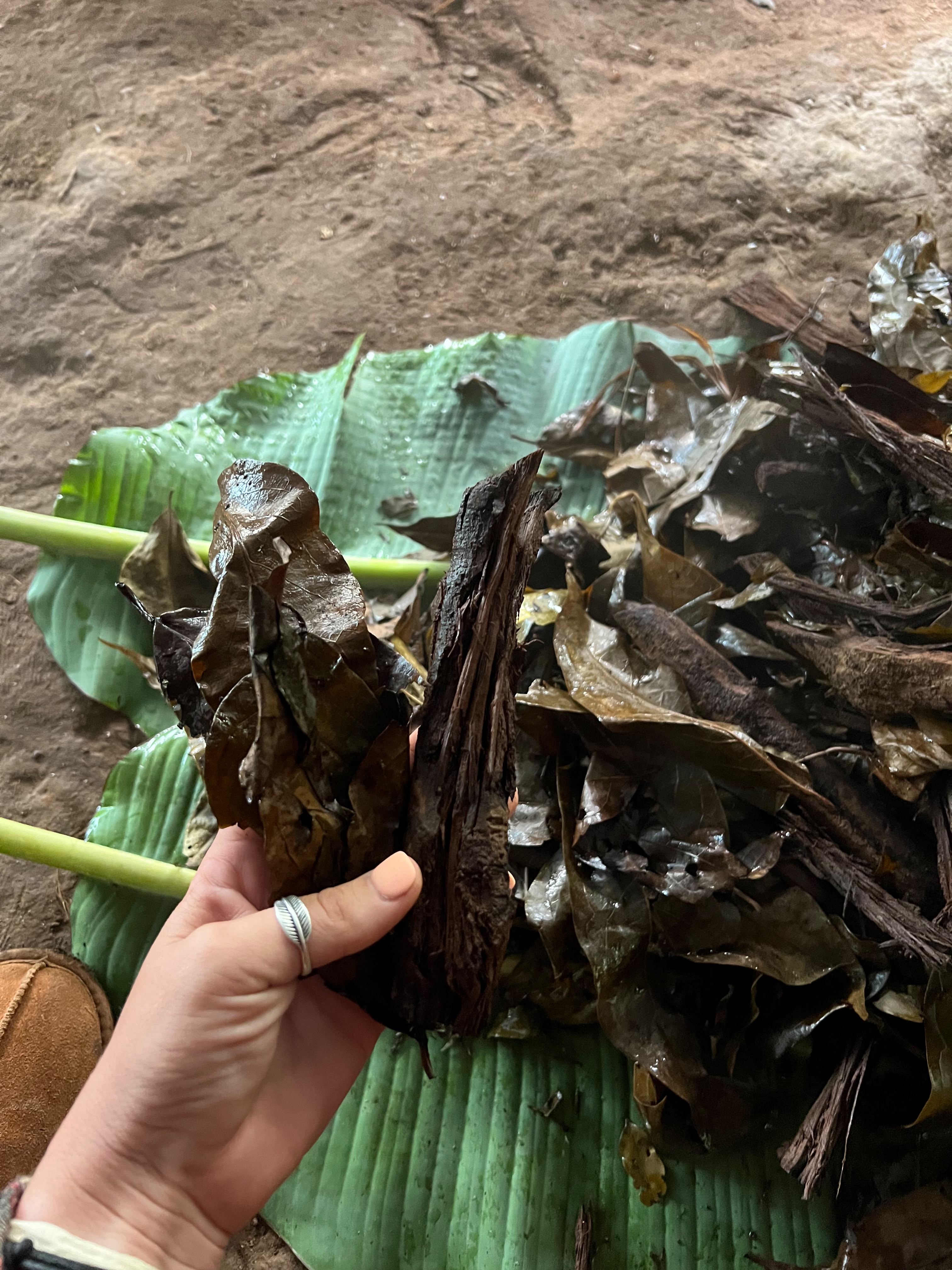
Ayahuasca is a ceremonial brew made from two primary plants native to the Amazon basin:
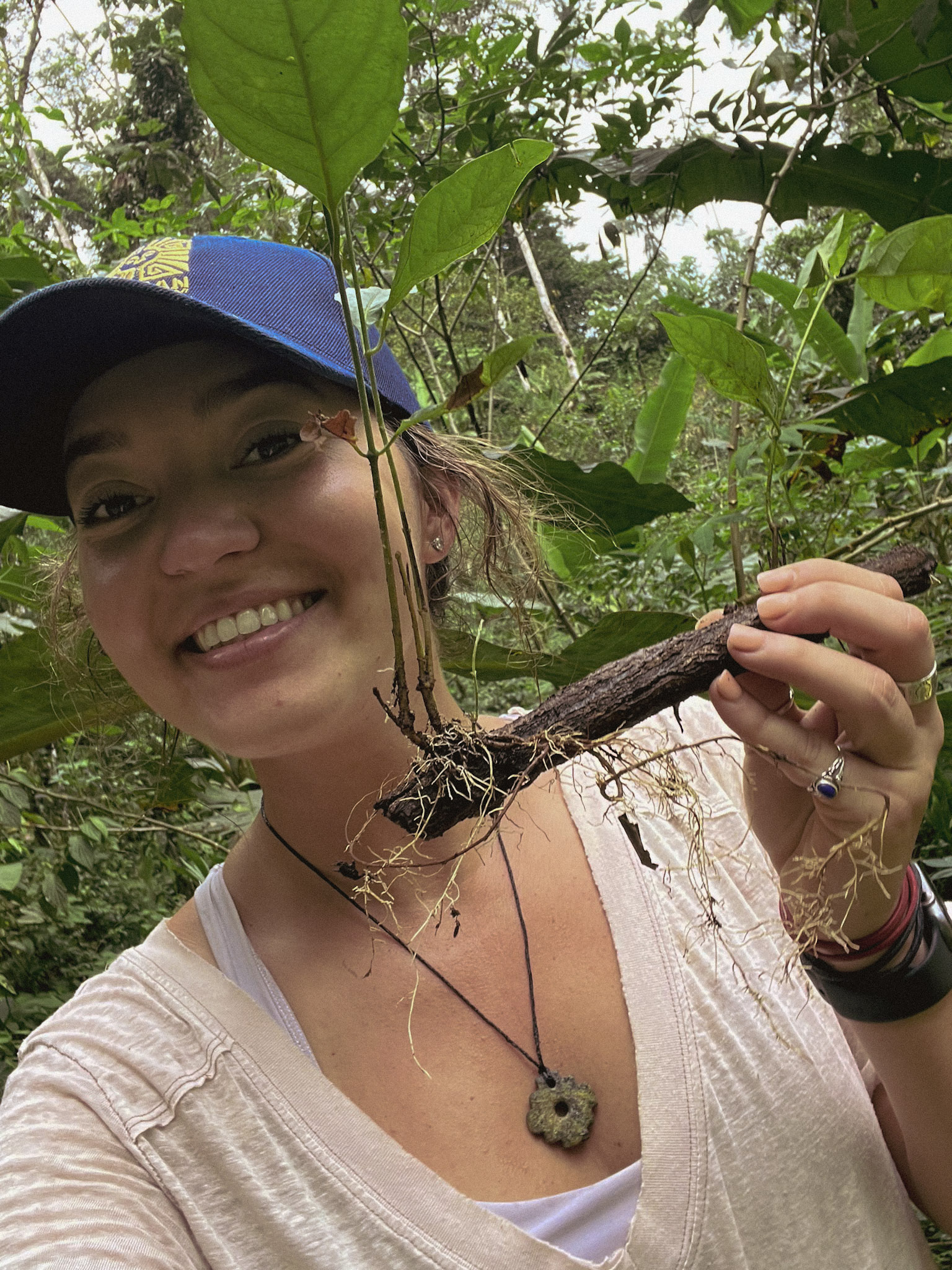
- Banisteriopsis caapi - the vine, meaning "vine of the soul" in Quechua. It contains MAOIs (monoamine oxidase inhibitors) that allow the second plant to work.
- Psychotria viridis or Diplopterys cabrerana - the leaf, which contains DMT (N,N-Dimethyltryptamine). Alone, DMT breaks down before reaching the brain. Together, the vine unlocks it.
The brew is prepared over many hours or days, a process considered ceremonial in itself. Potency and character vary with the plants, the preparation, and the intention behind it. For thousands of years, Indigenous Amazonian peoples: the Shipibo-Conibo, Shuar, and many others, have worked with Ayahuasca not as a drug, but as a living teacher. Medicine, oracle, and spiritual technology, simultaneously.
Book a SessionAyahuasca is known to bring subconscious material to the surface: trauma, grief, repressed emotions, formative memories. Not for re-traumatization, but for witnessing, understanding, and release. It bypasses the defenses that keep buried material buried.
Ordinary categories of self, time, and reality become fluid. People often report perceiving their lives from a radically different vantage point, seeing patterns, relationships, and choices with unusual clarity and compassion.
Ayahuasca may disrupt deeply entrenched habitual patterns in the nervous system. Many report a sense of "starting fresh": a break from chronic stress responses, rumination cycles, and stuck emotional states.
Perhaps the most reported experience across cultures and backgrounds: a profound, sometimes overwhelming sense of interconnection: with other people, with nature, with something larger than the individual self. This often catalyzes lasting shifts in values and priorities.
The Core Mechanism
DMT acts as a potent agonist at serotonin receptors (primarily 5-HT2A) distributed throughout the cortex. These receptors play a central role in perception, cognition, emotional tone, and the sense of self. When activated at sufficient levels, they produce a profound disruption of ordinary consciousness.
The beta-carboline MAOIs in Banisteriopsis caapi do two things: they inhibit gut and liver enzymes that would otherwise break down ingested DMT in minutes, and they have their own psychoactive properties, producing mood-altering, anti-anxiety, and anti-depressant effects. The vine is not a mere carrier. Many traditions use it alone, in low doses, for its own therapeutic properties.
What Happens in the Brain
Neuroimaging research has revealed several key effects:
- Default Mode Network (DMN) suppression - The DMN is the brain's "self-referencing" network, associated with rumination, ego-maintenance, autobiographical narrative, and the sense of a fixed, separate self. Ayahuasca significantly reduces DMN activity, which researchers link to the dissolution of habitual self-concept and the reported experience of ego dissolution.
- Increased global connectivity - Brain regions that don't normally communicate with each other show dramatically increased cross-talk. This "entropic" brain state may underlie the flood of unusual associations, imagery, emotional resonance, and novel insight.
- Neuroplasticity promotion - Ayahuasca has been shown to promote neurogenesis (the growth of new neurons) and synaptogenesis (new synaptic connections) in the hippocampus, a region critical to memory, learning, and emotional regulation. Animal studies show enhanced BDNF (Brain-Derived Neurotrophic Factor): a key marker of neuroplasticity.
- Rapid antidepressant effects - A landmark 2019 randomized controlled trial showed significant reductions in depression scores within days of a single ayahuasca session in patients with treatment-resistant depression, with effects sustained at 7-day follow-up, effects that conventional antidepressants take weeks to achieve.
- Emotional memory reprocessing - Research suggests Ayahuasca may facilitate access to and reprocessing of emotionally charged memories, with reduced fear response, a mechanism that parallels trauma therapy approaches like EMDR.
What it is NOT
Ayahuasca is not a recreational drug. It does not produce euphoria in the conventional sense. It does not give you what you want: it tends to show you what you need, which is not always comfortable.
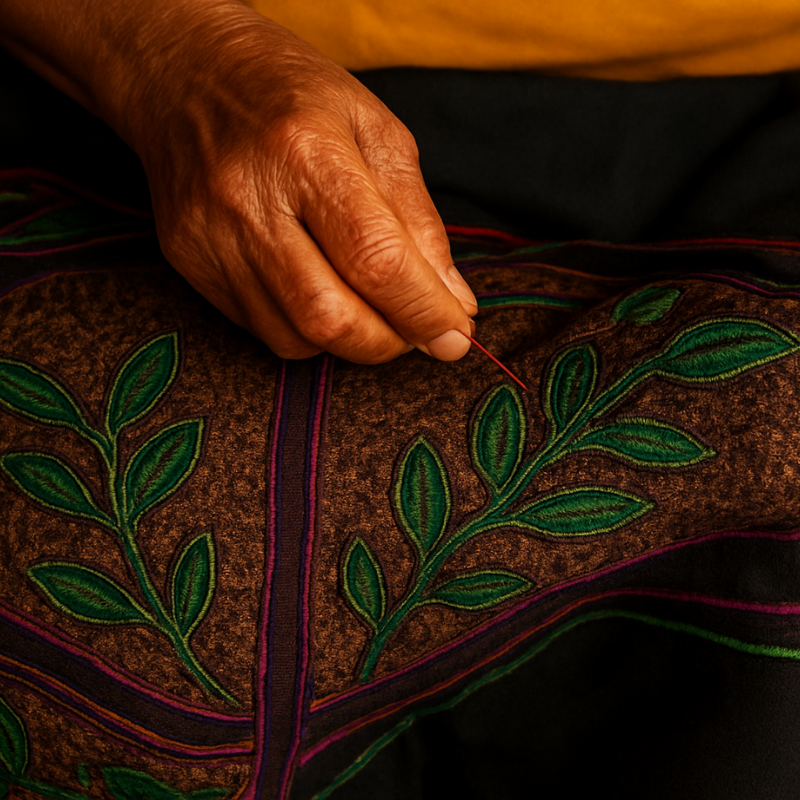
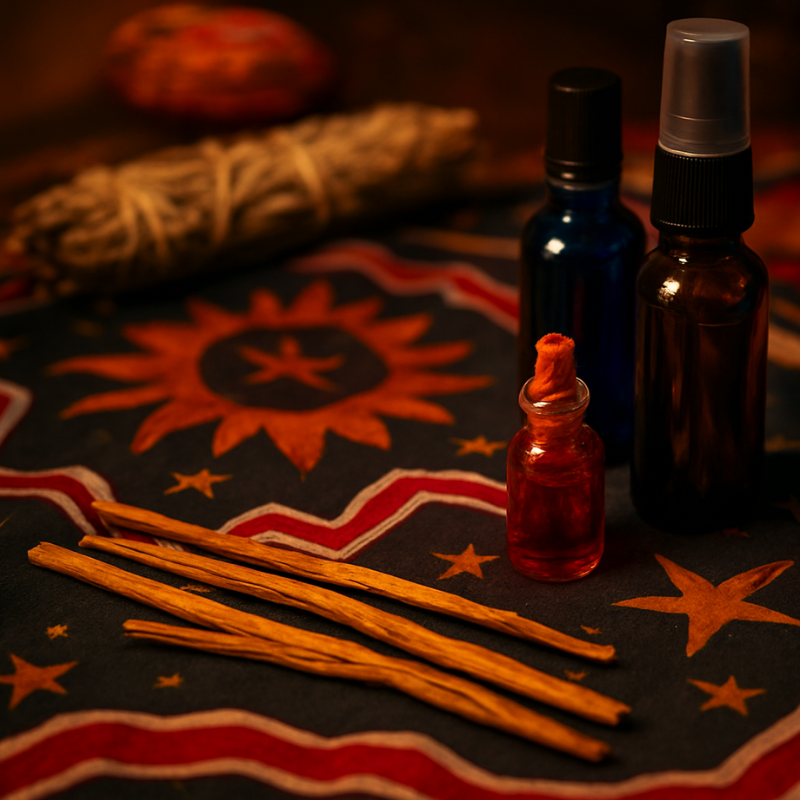


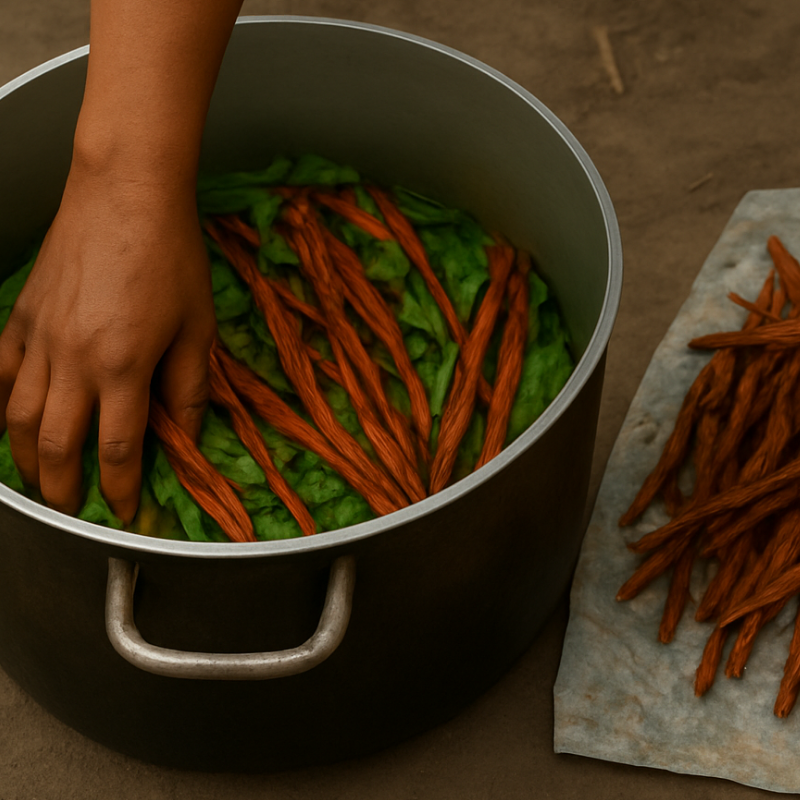

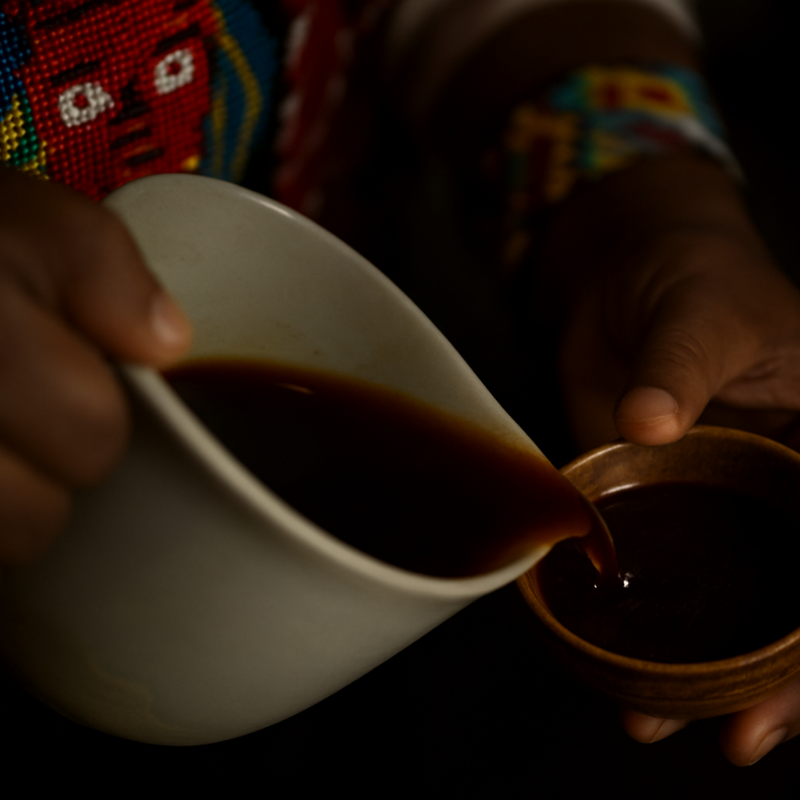
*Images generated by AI
The Purge
Purging is a natural and expected part of Ayahuasca ceremony. In the shamanic framework, it is not a side effect: it is one of the medicine's primary mechanisms of action.
Physical forms of purge may include:
- Vomiting - the most common, often described as a deep emotional release
- Diarrhea - rare during ceremony, more common in the hours after
- Sweating - as the body processes and releases
- Shaking or trembling - the nervous system discharging held tension
- Crying - sometimes uncontrollable, sometimes deeply cathartic
- Yawning - often associated with energetic movement or release
- Coughing, involuntary sound, or screaming - less common but not unusual
- A sensation of energy moving through the body - difficult to describe, but often felt as relief
Many participants describe the purge (however it manifests) as one of the most important moments of the ceremony: the felt sense of something leaving that had been held for a very long time.

How it Feels
There is no single Ayahuasca experience. The medicine is deeply personal, responding to the individual's history, psychology, intention, and readiness. That said, there are common dimensions across experiences.
The Journey Often Moves in Phases:
- Onset (20-60 minutes): A subtle shift in perception - colors may deepen, patterns may emerge, sounds take on texture. Nausea often begins here.
- Rising (60-120 minutes): The experience intensifies. Visions - geometric, narrative, symbolic - may begin. Emotional material surfaces. Bodily awareness heightens. The sense of ordinary time dissolves.
- The Peak (1-3 hours): Consciousness may be profoundly altered. Visions can be vivid and immersive. Insight, revelation, encounter with symbolic or archetypal presences are all possible. Emotions may be extreme - grief, terror, love, awe - sometimes cycling rapidly. The self may feel permeable or absent.
- Descending (2-4 hours): The intensity softens. There is often a long integration period during this phase - sitting with what arose, feeling the body again, receiving.
Total duration: 4-6+ hours, depending on the brew and the individual.
What You May Experience
- Vivid visual phenomena: geometric patterns, landscapes, animals, faces, light
- Voices, sounds, music that seems to arise from within the experience
- Profound emotional intensity: grief, terror, love, shame, joy, relief and sometimes in rapid succession
- A radically altered sense of time (minutes can feel like lifetimes; the reverse can also occur)
- Encounters with presences, guides, or symbolic figures, often felt as deeply real
- Complete dissolution of ordinary self: sometimes called ego death
- Physical sensations: pressure, warmth, electricity, heaviness, release
- Moments of absolute silence and peace
What to Expect
Ayahuasca is held in ceremony - a structured, intentional, and supported container designed to allow the deepest possible work.
A typical ceremonial arc includes:
- Preparation meeting - Before the ceremony, you'll meet with the facilitators. Intention setting, medical screening, questions, and the Dieta are all addressed here.
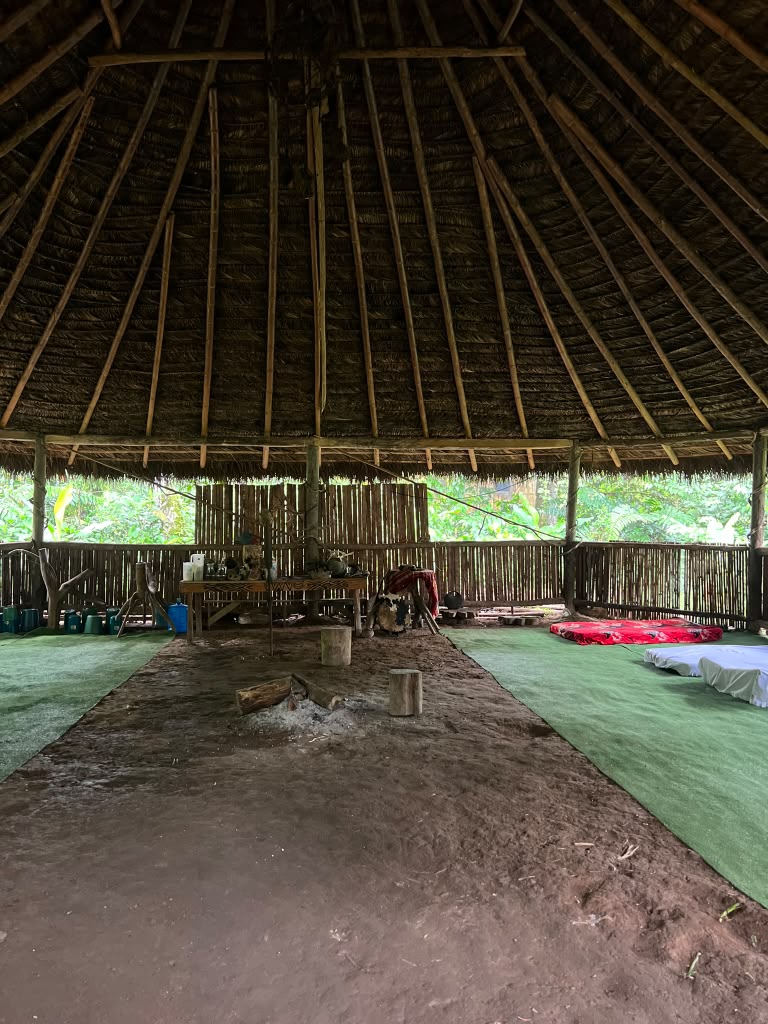
- The ceremonial space - Ceremonies are typically held at night, beginning after dark and concluding in the early morning hours. The space is clean, intentionally arranged, with mats, blankets, and buckets for purging. Each participant has their own space.
- The opening - The shaman opens the ceremony with prayer, incense (often palo santo or copal), sometimes Hapé and invocation. This is not decoration, it is the establishing of the container.
- Receiving the medicine - The brew is offered in small cups (shot glasses). You may receive one or more doses during the night, depending on how the ceremony unfolds.
- The icaros - Icaros are the sacred songs of the shaman, sung throughout the ceremony. They are not background music. In the traditional understanding (and in reported experience) they actively guide, navigate, and modulate the experience. They are medicine themselves.
- Closing - The ceremony is formally closed. The space is held until participants are stable and grounded. Experiences are generally shared.
- Post-ceremony grounding - The morning after includes time for rest, gentle food, and often a sharing circle. The first hours after the ceremony are not the time for stimulation, screens, or demands.
Each ceremony is different. Some are intensely visual and emotional from the first sip. Some build slowly. Some are quiet and internal. Surrender is not a metaphor: it is the instruction.
When Ayahuasca Is NOT Recommended
Ayahuasca is powerful medicine. Like all powerful medicine, it is not appropriate for everyone. Knowing this is not a caution against it, it is part of respecting it. Medical conditions that require careful screening or indicate contraindication:
- Cardiovascular conditions - Ayahuasca raises heart rate and blood pressure during the experience. Those with unmanaged hypertension, arrhythmias, or history of cardiac events should discuss with a physician before proceeding.
- Personal or family history of psychosis, schizophrenia, or bipolar I - Psychedelics can exacerbate latent or active psychotic conditions. This is a serious contraindication and is taken with full gravity.
- Active severe trauma without support infrastructure - Ayahuasca may surface traumatic material rapidly and intensely. Without proper preparation and post-ceremonial support, this can be destabilizing rather than healing.
- Pregnancy - Not recommended. The physiological effects, including purging and cardiovascular changes, are contraindicated in pregnancy.
- Epilepsy or seizure history - Requires careful assessment.
Medications that are contraindicated with Ayahuasca's MAOIs. This is critical safety information. The MAOIs in Ayahuasca interact with a wide range of common medications:
- SSRIs / SNRIs (fluoxetine, sertraline, escitalopram, venlafaxine, etc.) - Risk of serotonin syndrome, which can be life-threatening. A washout period of several weeks to months is required, depending on the medication.
- MAOIs (pharmaceutical) - Additive effect, risk of hypertensive crisis.
- Stimulants (Adderall, Ritalin, cocaine) - Dangerous interaction.
- Tramadol, meperidine, dextromethorphan - Serious serotonergic interaction.
- Lithium - Risk of seizures.
- St. John's Wort - Serotonergic, even as a supplement.
A full, honest medical history shared with your facilitator is non-negotiable. This is not about judgment: it is about safety.
La Dieta: Preparing the Body and Spirit
La Dieta is the traditional preparation protocol observed before (and sometimes after) Ayahuasca ceremony. It is not merely dietary, it is a form of energetic and spiritual preparation that creates the clearest possible container for the medicine to work.
Dietary restrictions vary depending on the shaman, the lineage, and the specific brew being used, there is no single universal protocol. What one tradition recommends strictly, another may approach more lightly. That said, most experienced practitioners share a common foundation, and the principle is universal: the cleaner you come in, the cleaner the experience will be.
Dietary restrictions (typically 1-2 weeks before, longer for dedicated dietas):
- No pork or red meat
- No alcohol
- No fermented foods (vinegar, aged cheeses, soy sauce)
- No refined sugar or processed foods
- No recreational drugs or cannabis
Some traditions also recommend reducing or eliminating salt, spice, and sexual activity.
Why these restrictions?
Beyond the well-known safety concern (fermented foods contain tyramine, which can interact dangerously with MAOIs), the traditional understanding is that the body is a vessel. The cleaner and quieter the vessel, the more clearly the medicine can move through it. Heavy foods, stimulants, and intoxicants create a kind of "static" that interferes with the experience.
Medical contraindications (more on the left) also require strict avoidance of SSRIs, SNRIs, lithium, tramadol, and other serotonergic substances in the weeks preceding the ceremony, due to serious risk of serotonin syndrome.
The Dieta is also a practice of intentionality: beginning to orient yourself toward the experience before it begins. What do you want to bring? What are you willing to look at?
Who This Is For
Ayahuasca may be deeply supportive for those who are:
- Carrying grief, loss, or emotional pain that feels stuck or unreachable through other means
- Processing trauma (childhood, relational, or otherwise)
- Seeking clarity on direction, identity, or major life transitions
- In patterns of addiction, depression, or anxiety
- Asking existential questions about meaning, mortality, purpose, belonging
- Ready for profound self-examination and willing to be changed
This work is not casual. It is not a vacation. It is not a shortcut.
Ayahuasca asks for genuine readiness: not perfection, not fearlessness, but an authentic willingness to show up to the full range of what the experience offers.
After the Session
In the hours and days following ceremony, it is common to experience a range of physical and emotional aftereffects. Understanding them helps you receive them rather than resist them.
In the first 24 hours:
- Physical fatigue - the body has worked hard. Rest is not optional, it is part of the process.
- Sensitivity to light, sound, and stimulation - the nervous system remains open and requires gentleness.
- Emotional rawness - feelings that arose in ceremony may still be close to the surface.
- Appetite changes - some have no hunger; others are deeply hungry for simple, clean foods.
- Disrupted sleep - vivid dreams are common the night after. This is often where continued processing happens.
In the days following:
- A sense of lightness or spaciousness - many describe feeling as though something heavy has been set down.
- Heightened sensory perception - colors, sounds, and textures may feel more vivid than usual.
- Emotional volatility - swings between deep peace and sudden grief or irritability are normal. The psyche is reorganizing.
- Continued dreaming - the medicine often continues to work in the dream state for days or weeks.
- Clarity about relationships, direction, or patterns - things that were foggy may become suddenly obvious.
What to support your body:
- Rest, rest, rest
- Simple, clean food - avoid alcohol, processed food, and stimulants
- Time in nature
- Journaling before the mind edits the experience
- Minimal screens and social obligations for at least 24-48 hours
Ayahuasca can deliver insight, revelation, and emotional release with extraordinary intensity, but insight alone does not change a life. What you do with the experience in the weeks and months after is where transformation either takes root or remains a memory.
Integration is the practice of translating ceremony into life.
This may look like:
- Journaling - Writing down what arose, what was seen, what was felt, before the mind's ordinary interpretations close back over the experience.
- Therapy or coaching - Having a professional space to process the material that surfaced, especially for complex trauma.
- Lifestyle review - Ayahuasca frequently reveals where in daily life (relationships, work, habits, diet, environment) changes are needed. Integration is acting on those revelations with commitment.
- Community - Sharing the experience with others who understand it, whether in group settings, circles, or trusted relationships.
- Continued practice - Meditation, somatic work, time in nature: practices that maintain the openness and awareness the medicine catalyzed.
- Rest and patience - Some insights are immediate. Others unfold over months. Not everything needs to be understood right away.
Without integration, the most profound experiences can feel like vivid dreams within weeks, emotionally significant but not embodied. With integration, they become the turning point of a life.
*A dedicated 1-hour integration call can be arranged as part of or following your experience. This is a space to be witnessed, to process what arose, and to begin mapping what comes next.*
Ways to Experience This Work
1:1
Dedicated, private time fully focused on you.
retreats
Larger group experiences (typically 6-12 people), held on specific dates (community sessions) in or outside of the US.
Previous Work
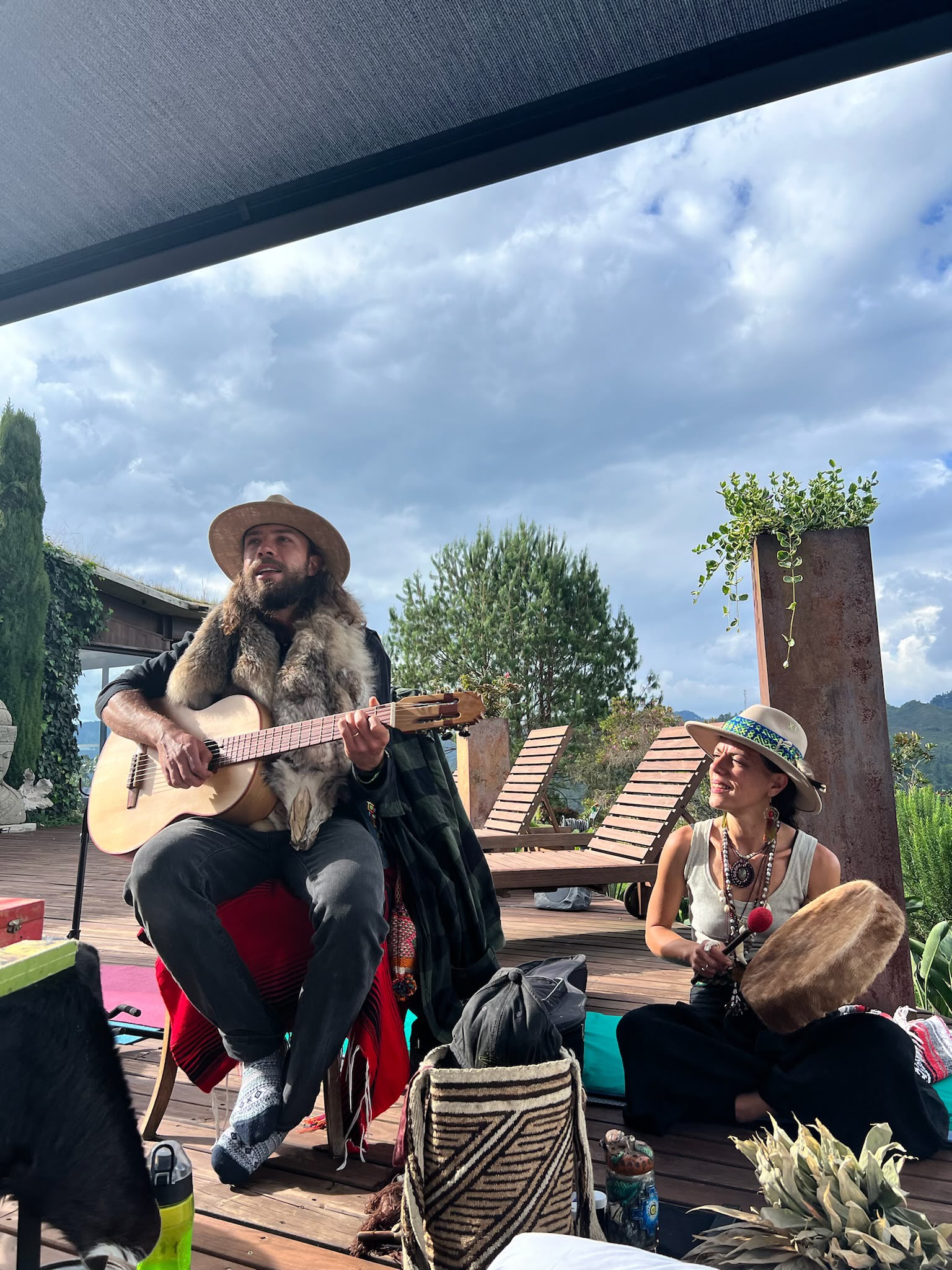
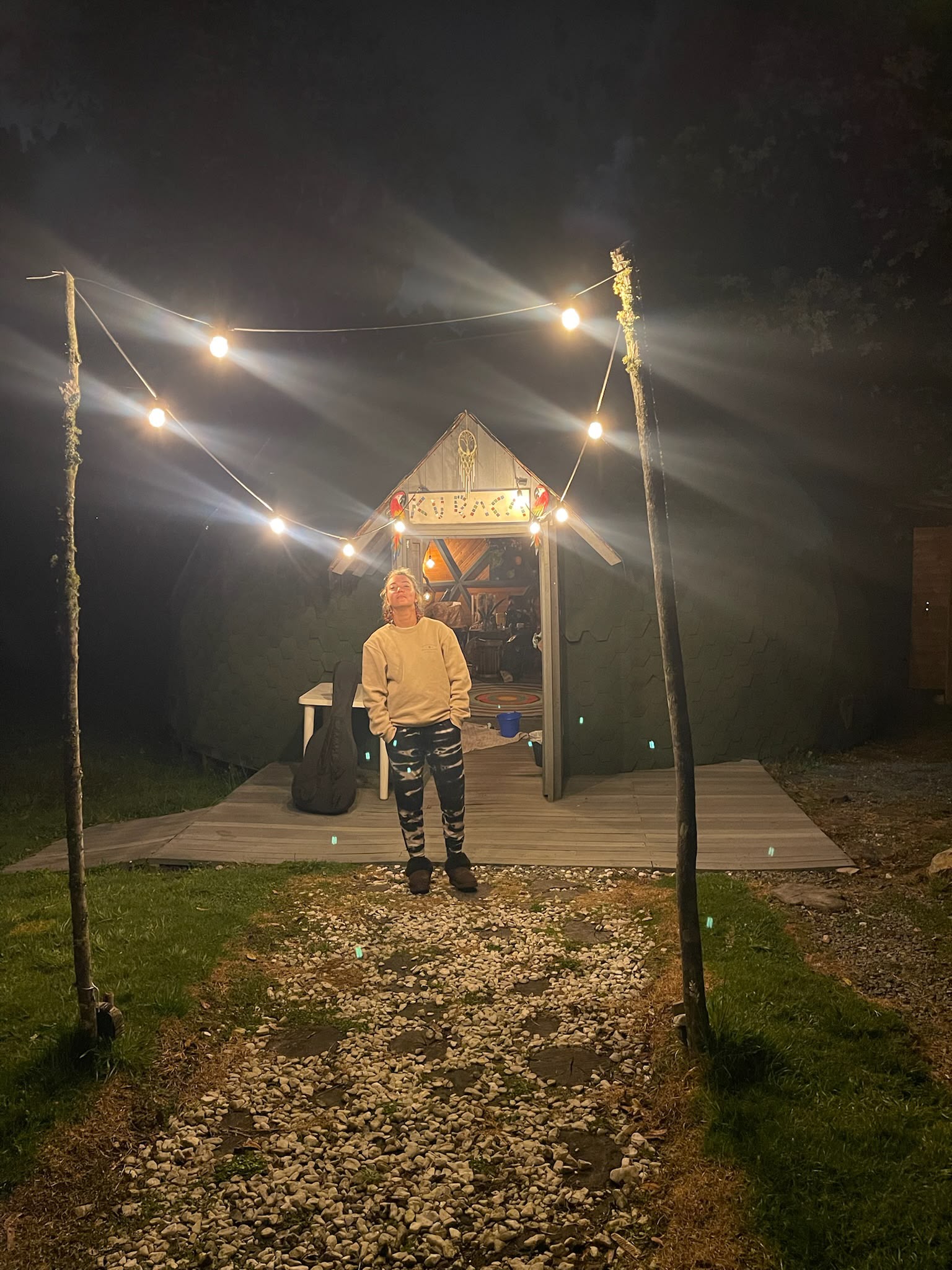
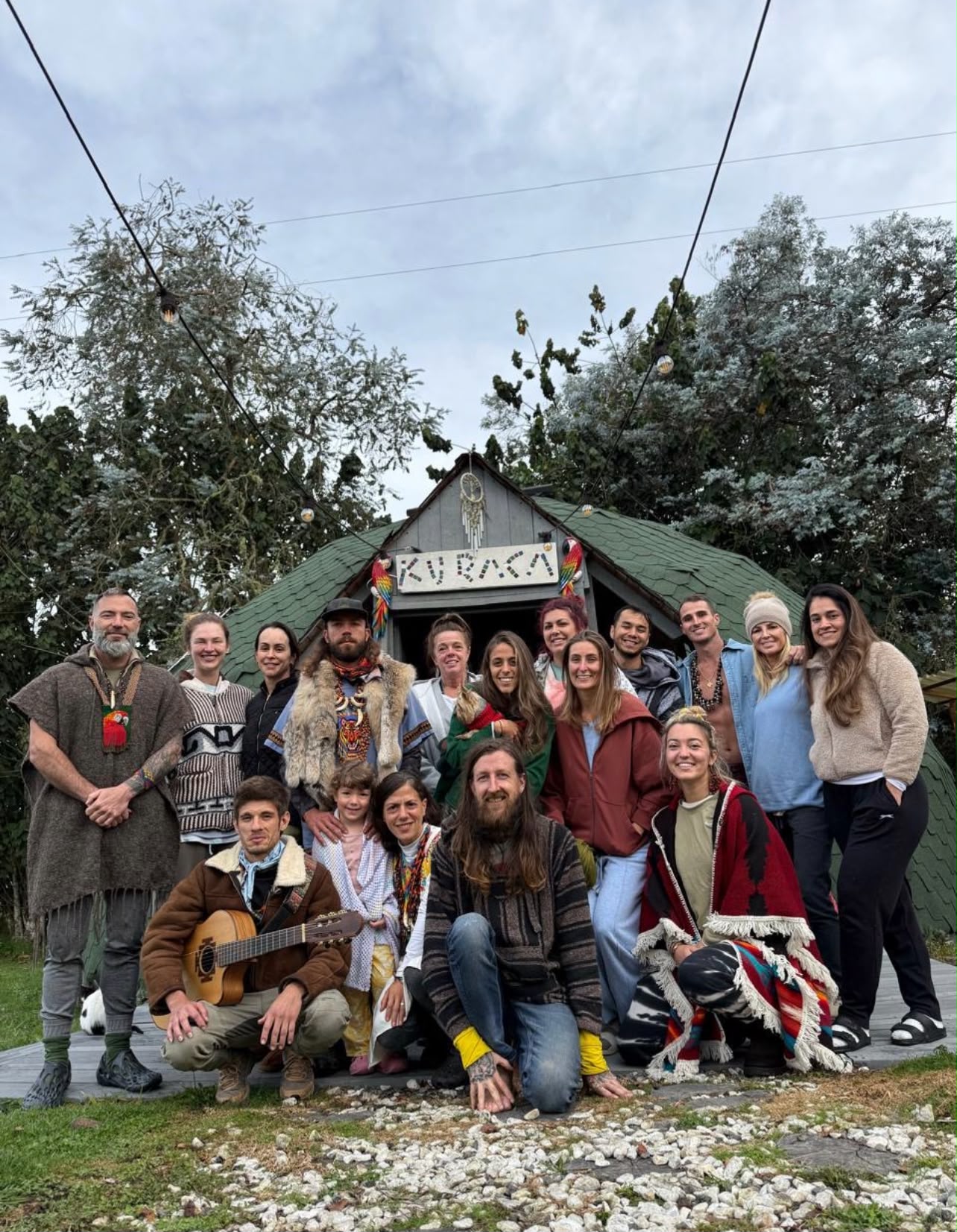
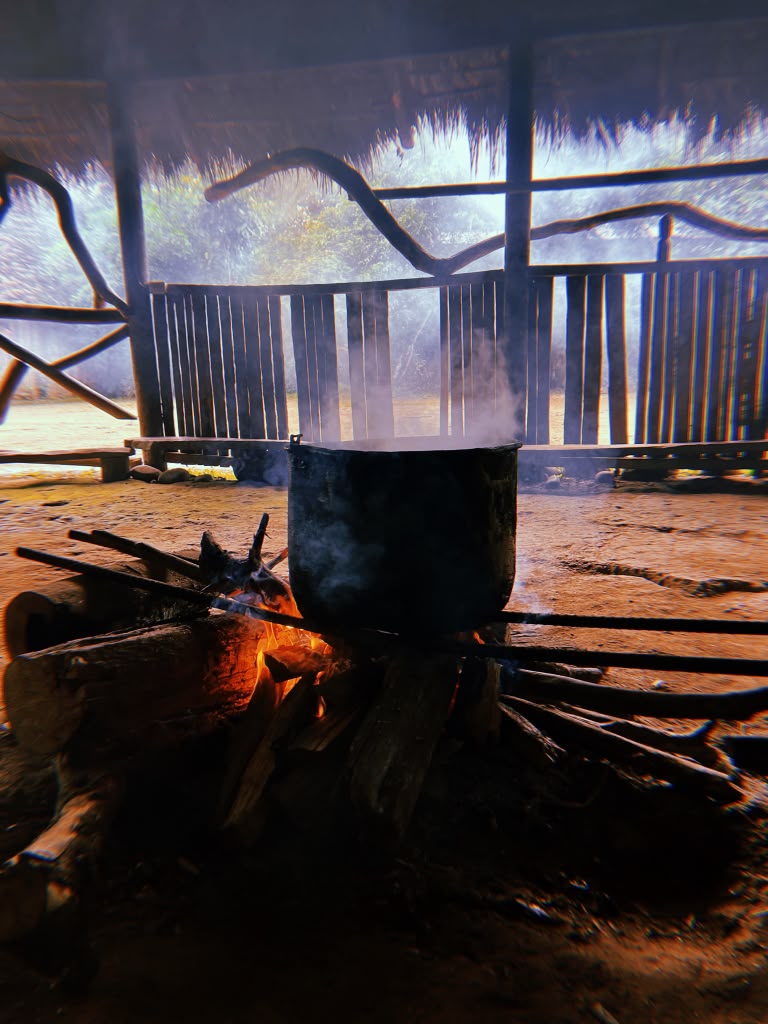
A glimpse into the retreats and ceremonial spaces where this work is held with care, integrity, and profound respect for the lineage from which this medicine comes.
Every setting is chosen for its capacity to hold the work: safety, beauty, intention, and the presence of experienced practitioners who have dedicated their lives to this path.