Energy Healing (Reiki)
A gentle, non-invasive practice that supports nervous system regulation, energetic balance, and emotional release. A gentle starting point, or a supportive complement to deeper work.

What It Is
Energy Healing (Reiki)
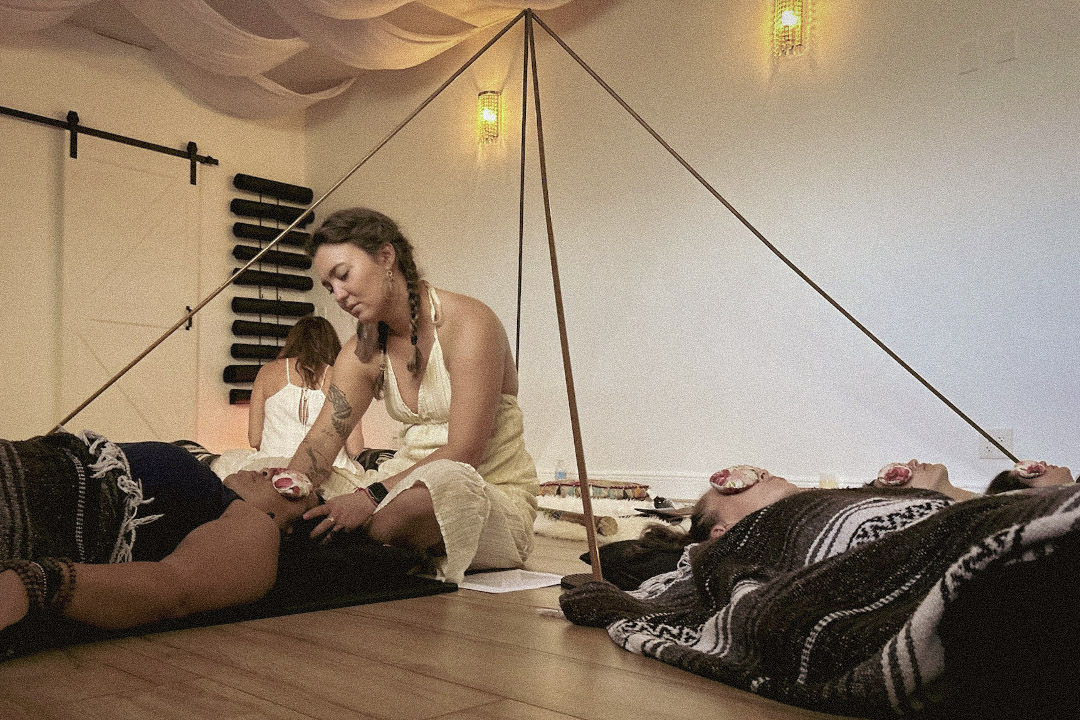
Energy Healing, often referred to as Reiki, is a subtle body practice that works with the body's natural energy systems. Through light touch or hands held above the body, the intention is to support the flow of energy, allowing the system to move out of states of stress, tension, or imbalance. This is not a forceful process. It works by creating the conditions for the body to regulate itself.
House Clearing
House Clearing focuses on the energetic quality of a space. Just as the body can hold emotional residue, environments can also accumulate stagnant or heavy energy over time. This work supports resetting and rebalancing the space, creating a lighter, clearer, and more supportive environment.
Nervous System Regulation
Supports the body in shifting out of stress and into a more regulated state.
Emotional Release
Allows stored emotions to surface and process safely.
Energetic Balance
Helps restore flow and reduce feelings of heaviness or depletion.
Grounding & Clarity
Creates space for stillness, awareness, and reconnection.
A Scientific Perspective
Energy Healing practices like Reiki have been increasingly explored within scientific and clinical settings, particularly in relation to stress reduction and nervous system regulation.
While the exact mechanisms are still being studied, current research suggests that these practices may influence the autonomic nervous system, supporting a shift from sympathetic activation (stress response) to a more parasympathetic state (rest and recovery).
- reductions in perceived stress and anxiety
- improvements in relaxation and emotional wellbeing
- support in pain management and recovery processes
- decreased heart rate and blood pressure
- improved relaxation response
- enhanced emotional regulation
From a physiological perspective, these outcomes are often linked to the body's ability to move out of chronic activation and into a state where repair, processing, and restoration can occur.
While Energy Healing is not a replacement for medical or psychological care, it can serve as a complementary practice, supporting the body's natural capacity to regulate, integrate, and restore balance over time.
Baldwin, A. et al. (2017). Reiki: A systematic review of randomized clinical trials.
McManus, D. (2017). Reiki is better than placebo and has broad potential as a complementary health therapy.
NIH (National Institutes of Health) - Complementary Health Approaches Overview

How It Feels
This work is subtle, but often deeply felt.
Some sessions are quiet and restful.
Others may bring emotional release or physical sensations.
There is no "right" experience, only what your body is ready to process.
What to Expect
- You'll lie down comfortably
- Light touch or hands above body
- No effort required
- Sessions are calm and quiet
Preparation & Integration
- Wear comfortable clothing
- No heavy meals before
- Come with an open mindset
- Rest if needed
- Stay hydrated
- Notice subtle shifts
Who This Is For
This work is suitable for:
- those new to this type of work
- individuals feeling overwhelmed or depleted
- those seeking a gentler approach
- anyone wanting to reconnect with their body
Ways to Experience This Work
1:1
Dedicated, private time fully focused on you.
Group
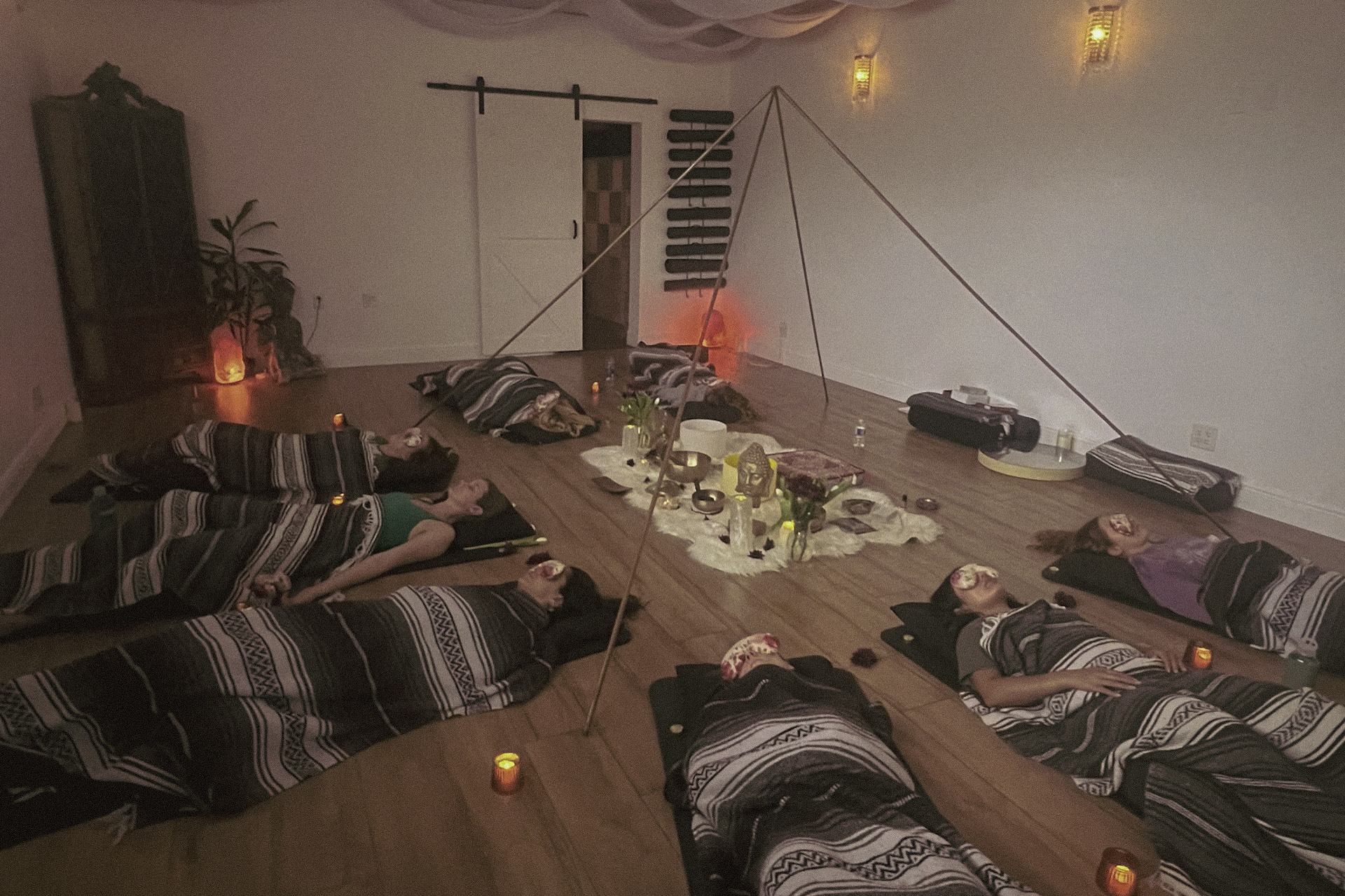
Small, intentional groups of up to 4 people (private small group).
Circles
Larger group experiences (typically 4-8 people), held on specific dates (community sessions).
Previous Work